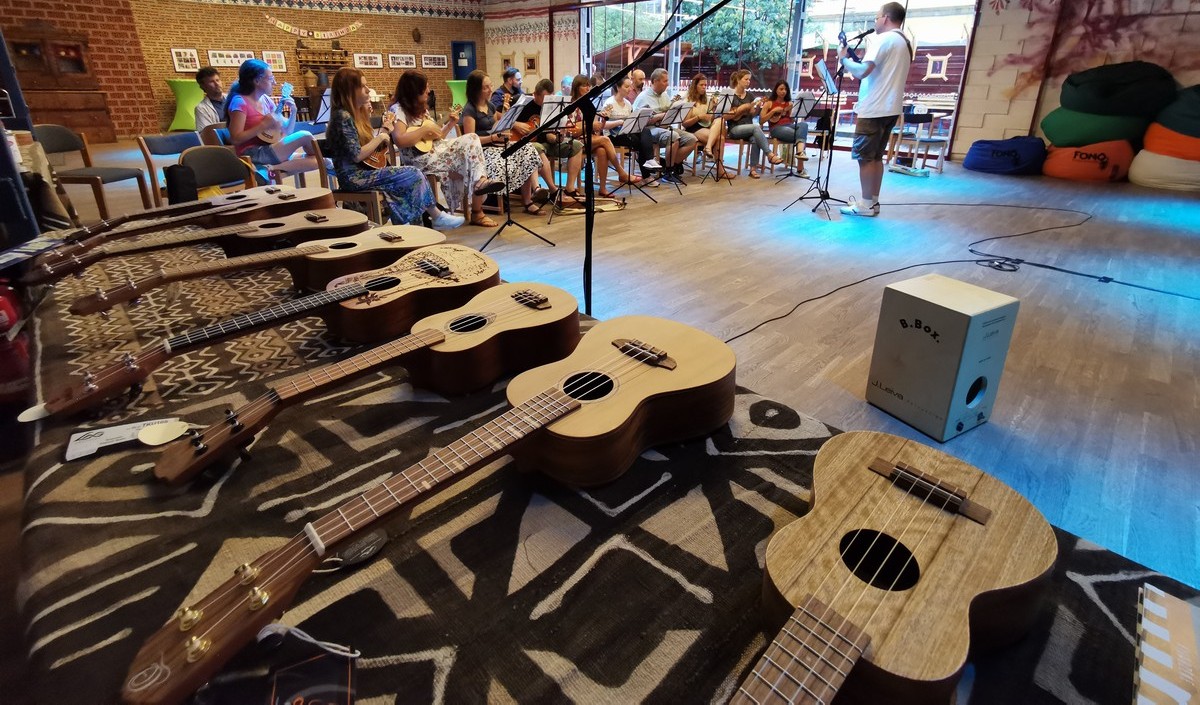
The ukulele is a stringed instrument — essentially a small, four-string relative of the guitar. Many people know it as the Hawaiian guitar because it became closely associated with the music of the Pacific islands.
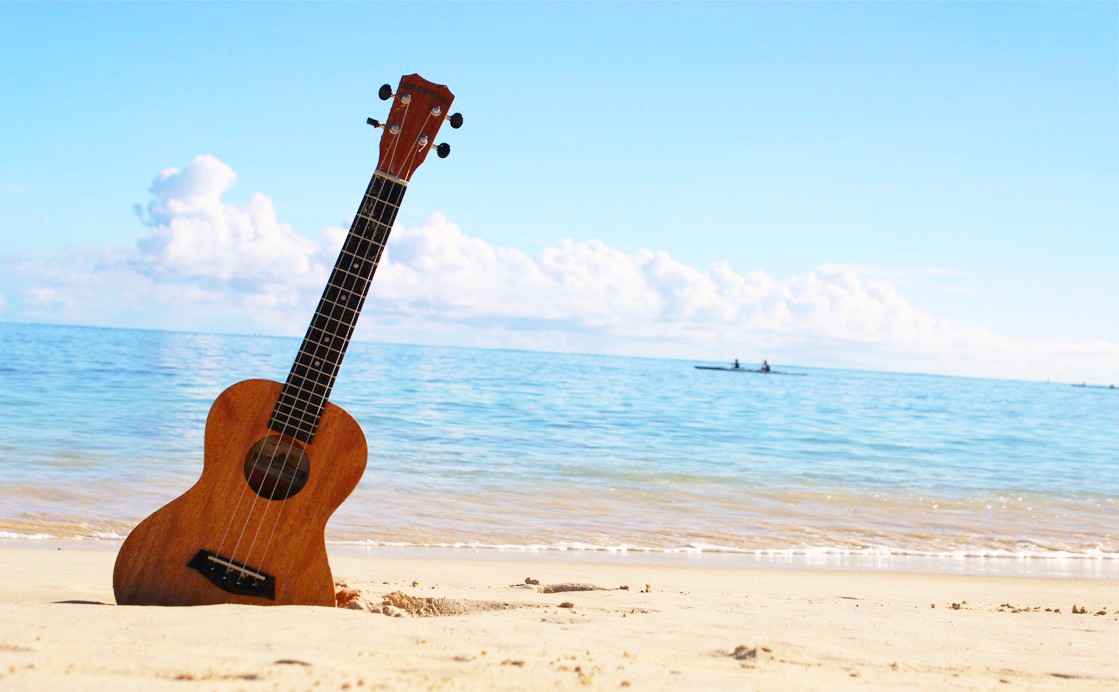
The instrument is most strongly associated with Hawaiian music. Its name is often translated roughly as “jumping flea”. The modern ukulele developed in the 1880s from Portuguese instruments including the braguinha and the rajão.
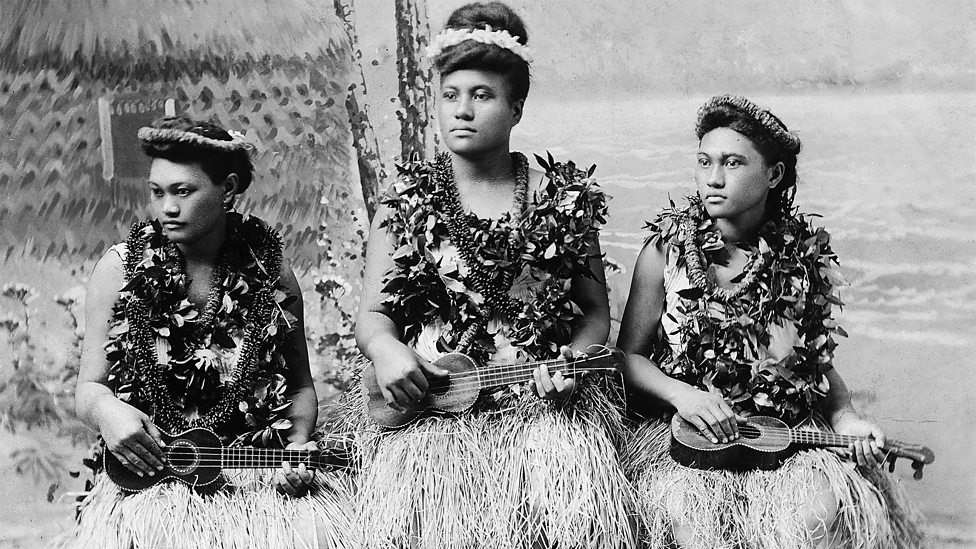
In 1879 three Portuguese craftsmen arrived in Honolulu aboard the Ravenscrag and later became known as some of the first ukulele makers: Manuel Nunes, José do Espírito Santo and Augusto Dias. Manuel Nunes later lived next door to the famous player Bill Tapia; Tapia bought his first instrument from him in 1915 for 75 cents.
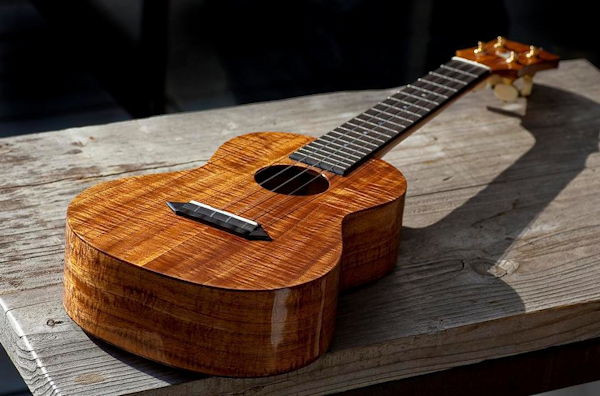
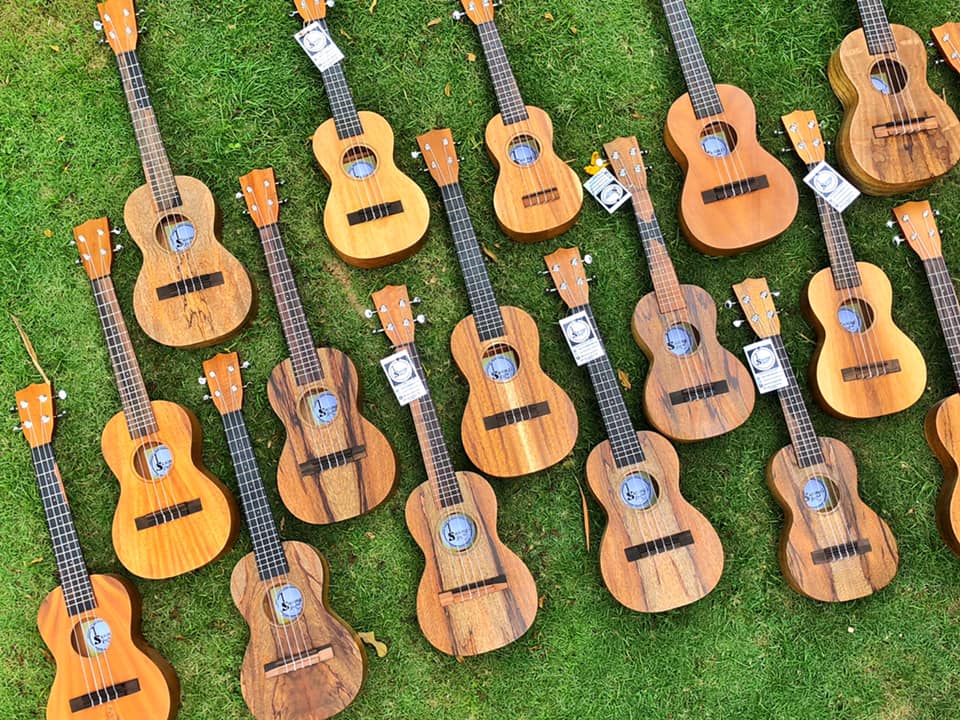
Four main ukulele sizes are commonly recognised, from smallest to largest: soprano (the original size), concert, tenor (introduced in the 1920s) and baritone (from the late 1940s). Some tenor instruments use doubled strings, creating six-string and eight-string versions.
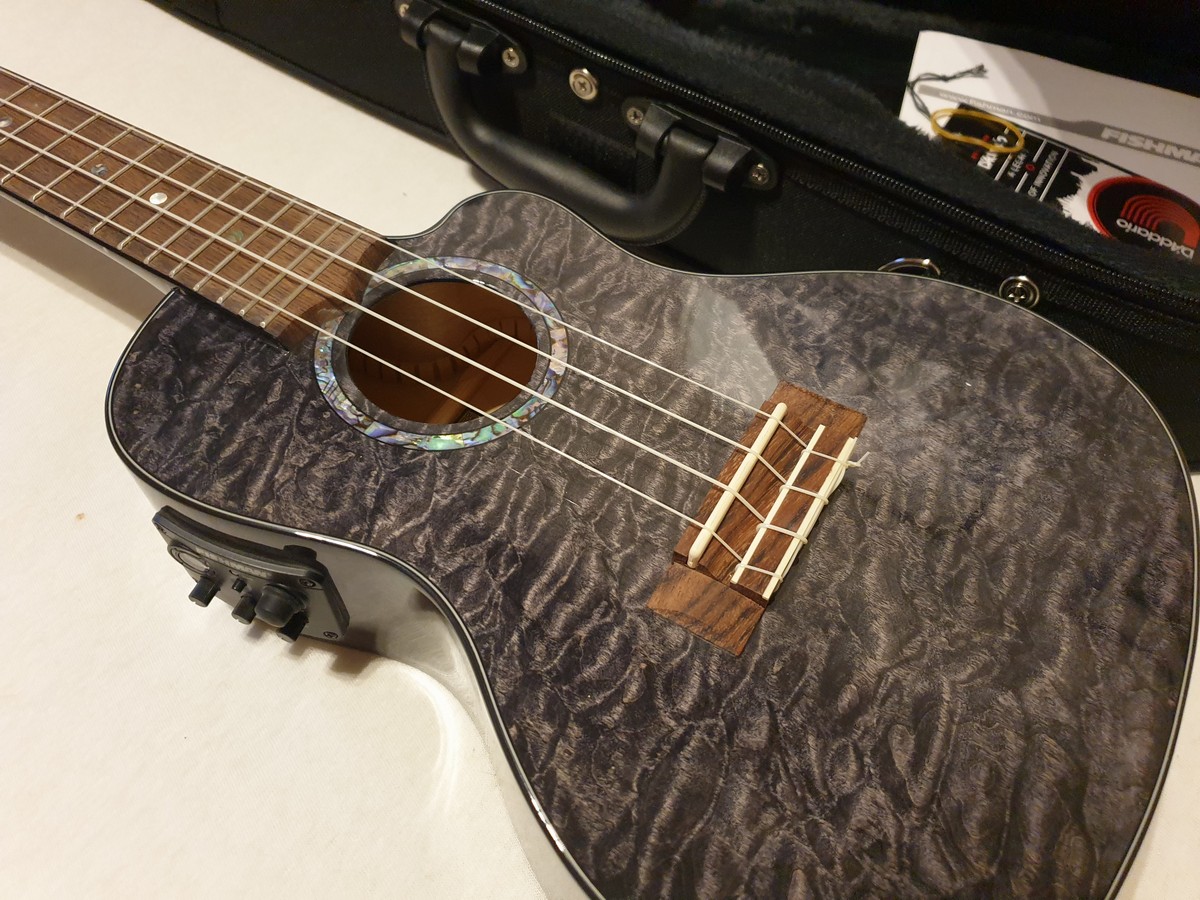
Most ukuleles use C6 tuning: G–C–E–A from the top string to the bottom. In the common re-entrant tuning, the G string is tuned an octave higher than you might expect, placing its pitch between the E and A strings. Baritone ukuleles are usually tuned D–G–B–E, the same as the four highest strings of a guitar. Other tunings are possible as long as the strings can safely handle them.
George Harrison of The Beatles became especially fond of the ukulele in the later years of his life and reportedly carried two so that he would always have someone to play with. Other well-known people who have played the ukulele include Paul McCartney, Jimi Hendrix, Brian May, Neil Armstrong, Tony Blair and Elvis Presley.
(Based in part on Wikipedia.)
We hope we will soon be strumming together with you at a ukulele meetup!