Most múlik pontosan
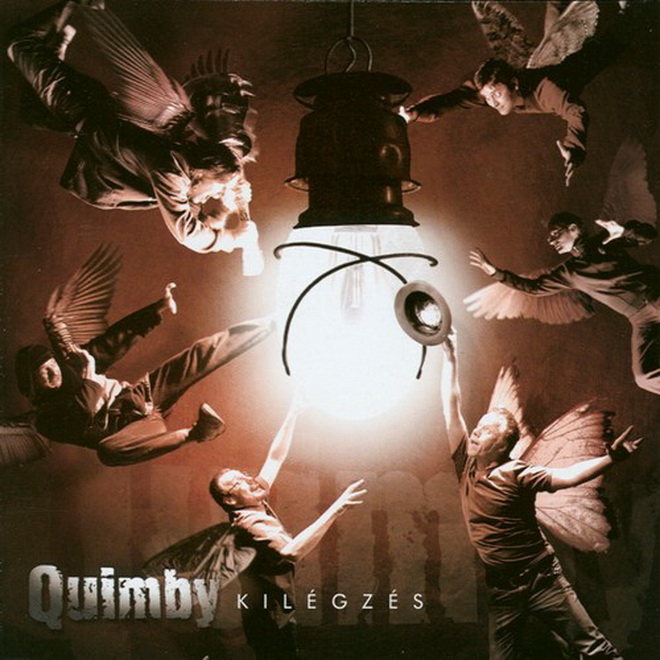
Quimby's unusually atmospheric song "Most múlik pontosan" was released in 2005 on the band's album Kilégzés.
Many theories have been proposed about the circumstances in which the song was written, but I do not want to go into those here. I think the lyrics should mean whatever each listener wants to hear in those poetic lines. Let us simply immerse ourselves in the song itself:
And here it is in the version by Csík Zenekar:
It is a superb arrangement, and from 2:26 there is a section - I have christened it the "folk solo" - that makes the hairs stand up on your back, if they have not already. This is a wonderful example of Csík Zenekar's exceptional brilliance!!! In fact, this was the version I first got to know, and my jaw hit the floor when I discovered that the song was originally written by Quimby. In any case - and this takes nothing away from the songwriter's achievement - Csík Zenekar played a huge part in the success of Most múlik pontosan.
And here is a very charming version (although one of the chords is wrong):
If we examine the song's chords and structure, we can hear just how beautifully composed and harmonically seasoned it is. One truly astonishing harmonic turn comes in the second line of the B section beginning "Vágtatnék tovább veled...": after C major comes an F7 chord under the words "indián lován". This is completely unexpected, because F7 is foreign to the key of the song, yet it opens up the melody as though the sun had suddenly come out. You find yourself waiting almost breathlessly for the B section to return so that you can hear the same effect again under the words "rozsdás szemfedő". Another distinctive feature of the song is its 6/8 time signature, which is not especially common in today's popular music.
I thought there would certainly be people who would like to learn the accompaniment to this song on the ukulele as well, so I hope the following video helps: