Cifra Palota
From time to time, a kind acquaintance of mine, Orsi, posts pictures on Facebook of stones she has painted. The pictures on the stones are inspired by Hungarian folk songs or children's songs, and the game is to guess which song each picture represents. I really enjoy this game — not because I know every answer (sadly, I do not), but because it makes me want to arrange the songs for some instrument or other, provided I manage to identify the song first . When I saw the picture below, I had to think for a little while, but eventually I worked out which folk song the puzzle was referring to.
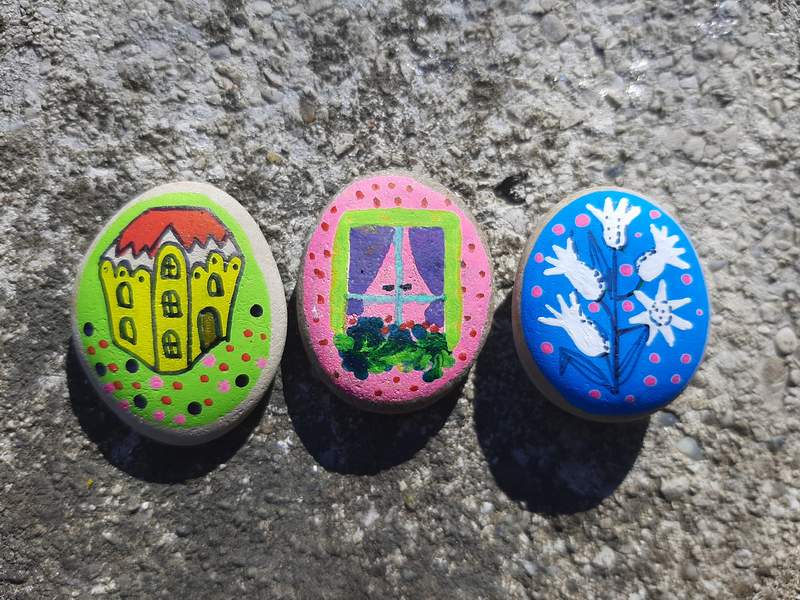
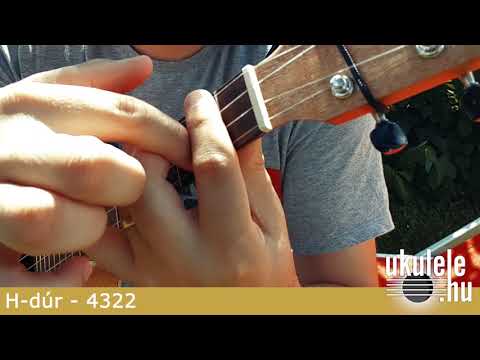
In my mind's ear I could already hear Cifra Palota on the ukulele, so I picked up the instrument. After a few minutes of searching I found the chords, and soon a solo-ukulele arrangement of this well-known Hungarian folk song had taken shape. I recorded it on video and, a few days later, posted my audiovisual answer below the painted-stone post. I was delighted by the positive feedback, and especially by the fact that one of Orsi's acquaintances decided to learn the ukulele after seeing the video. That is a genuinely wonderful feeling, and I immediately made a tutorial video for it as well. I should say in advance that this is not necessarily the piece to begin your ukulele studies with, but once you know the basic chords, it is a perfectly good way to step into the world of solo-ukulele arrangements.
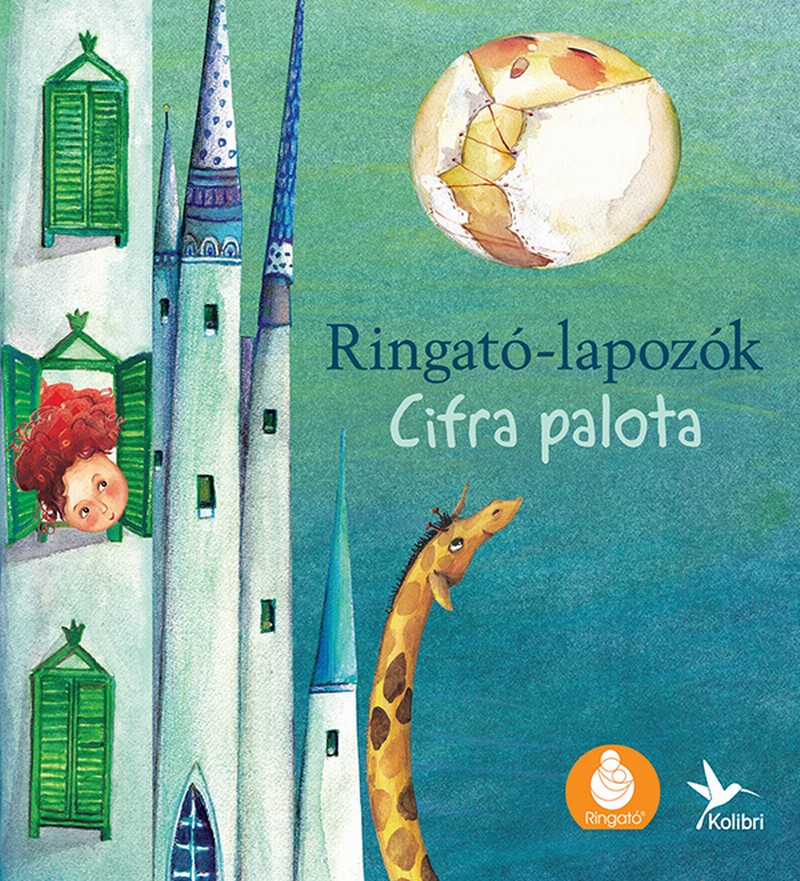
Since this post is about the folk song, I would also like to recommend the Cifra Palota board book for young children, together with the other Ringató publications. You can browse them by clicking the cover image below:
Back to the ukulele arrangement: I imagined the song in G major. In that key you need two additional chords, E minor and B7, although of course the song can be transposed freely. So the three chords are:
 |
 |
 |
As you listen and play, notice that the folk song's distinctive mood comes from alternating between the major key (G) and its relative minor (Em), complemented by a dominant seventh chord (B7), before the song ends on the minor chord (Em). The next verse begins on the major "partner" of that closing minor chord (G), so the major-minor alternation starts all over again. It is such a pleasant, gentle effect on the ear — I really love it .
If you are interested in learning the ukulele and would like to study with me, please click here, scroll down a little and send me a message! At present, lessons are mainly available online.
So here is my arrangement. I hope you enjoy it: