Áll egy ifjú nyírfa a réten...
In this blog post and the accompanying video I would like to show you a ukulele accompaniment for the Russian folk song beginning “Áll egy ifjú nyírfa a réten...” (“There Stands a Young Birch Tree in the Meadow...”). Before going any further, a brief aside: of course I too hope that the war raging in a neighbouring country will end as soon as possible. At the same time, I also hope we do not confuse the war with all the cultural achievements the world owes to Russians—music, literature and so on. It is perhaps beyond dispute that despite the terrible bloodshed taking place today, figures such as Tchaikovsky and Dostoevsky remain indelible geniuses of humanity's culture and heritage, and their works will continue to be known and loved for as long as our world exists. I feel the same way about the Russian folk song that gives this post its title: for me, at least, it has been one of my favourite non-Hungarian folk songs since childhood.
I hope I can inspire you to learn this three-chord accompaniment. I think the melody has been in everyone's ears since primary school, and it is a wonderful discovery to hear how good the three chords underneath it sound: Am, Dm and E7. The chords themselves are not particularly difficult. The real character of the accompaniment comes from the frequent chord changes and the rhythm, and these are the things that require more experimentation and practice. Because of the rhythm and frequent changes I marked this post as advanced, but if you are a beginner and simply play quarter notes and change chords slowly, it will still sound very good.
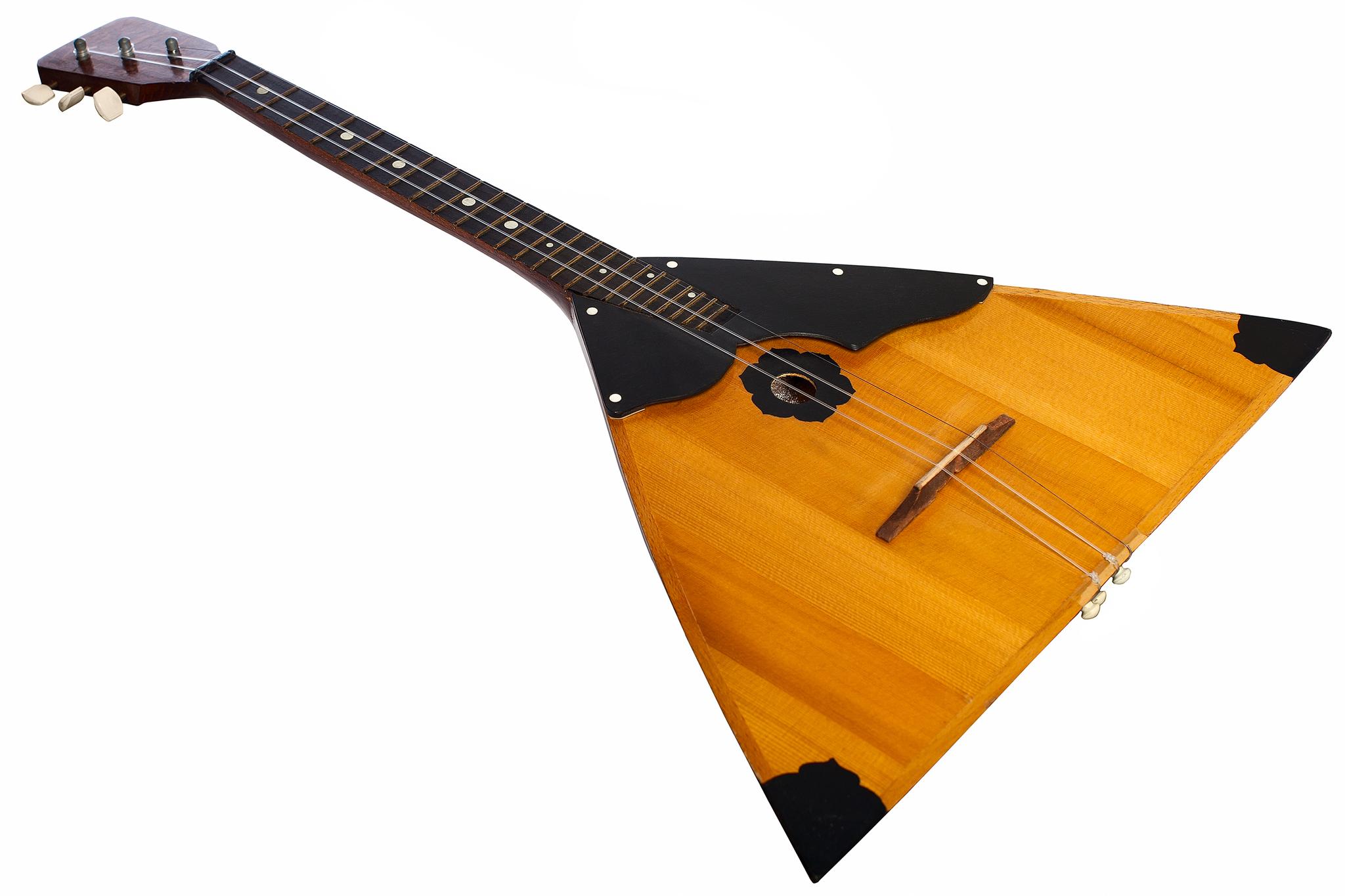
The lyrics themselves mention the Russian instrument, and the accompaniment is of course most authentic on that instrument, so I have included a picture of a balalaika here. Naturally, however, the song can also be accompanied on the ukulele: the ukulele chords have a much softer, warmer sound. Have a look:
 |
You can find the lyrics and chords under Downloads !